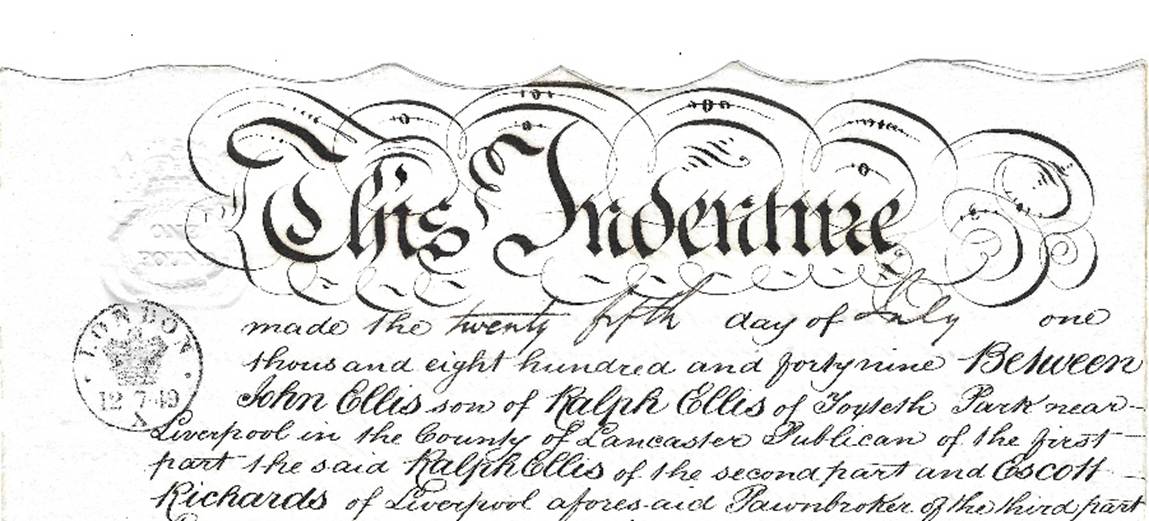
Trade, Trust and Aspiration in 19th Century Liverpool
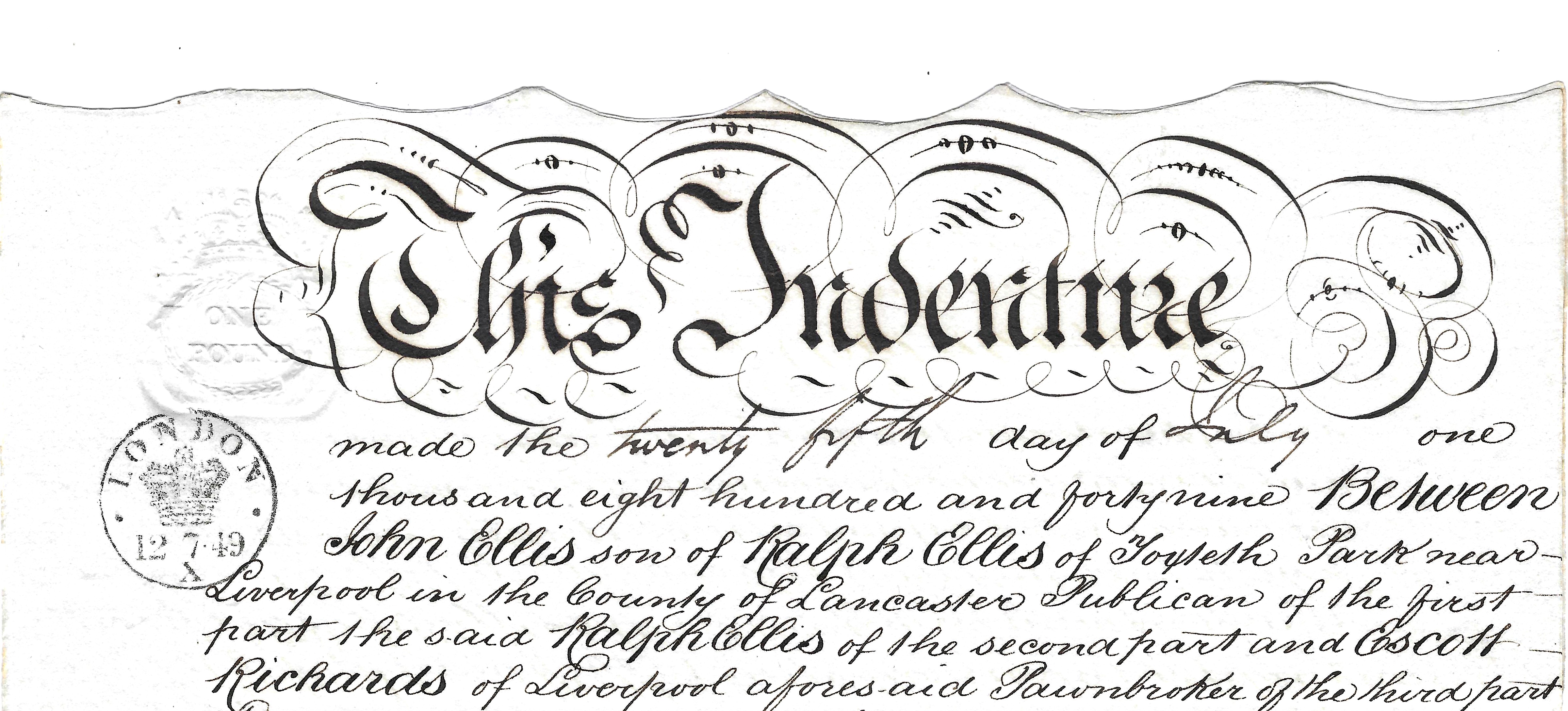
Ralph Ellis had worked for everything he had. Born in 1800, in the expanding world of late Georgian Liverpool, nothing came easily—and nothing was wasted. Ralph was a cooper, a skilled artisan making barrels. He and his wife had five children, but not all survived—a common tragedy in working-class families. He wanted the best start for his children. In 1849, at just thirteen, his son John Ellis was apprenticed to pawnbroker Escott Richards. Ralph paid £20—a significant investment—to secure the opportunity. Pawnbroking thrived in a city of uncertain wages. It offered stability, skill, and potential wealth and respectability.
From Cask to Counter: A Father’s Ambition in 19th-Century Liverpool
When he married in 1820, aged just twenty, Ralph Ellis, living in Kitchen Street near the docks. Coopering was skilled, physical work: crafting barrels to carry beer, spirits, and goods across the world. He will have served a formal apprenticeship, learning precision and discipline.
By 1824, he had moved to Frederick Street, still working as a cooper. Life in dockside Liverpool was harsh. Overcrowding, poor sanitation, and disease were constant threats. Yet Ralph endured—and progressed. By 1841, he had left coopering behind and become a spirit dealer and publican. By 1848, he was running spirit vaults on Mill Street. These establishments were essential to dockside life, serving sailors, dockers, and labourers paid irregularly and often in cash.
Ralph appears to have done more than survive. Records suggest he may have operated from multiple premises. He’s progressed from skilled tradesman to business owner.
For a man who had built his life step by step, his son’s future mattered deeply. He understood the value of a trade—and the risks of leaving a boy to chance. So on 25 July 1849, the indenture apprenticing his son John to pawnbroker Escott Richards was signed.
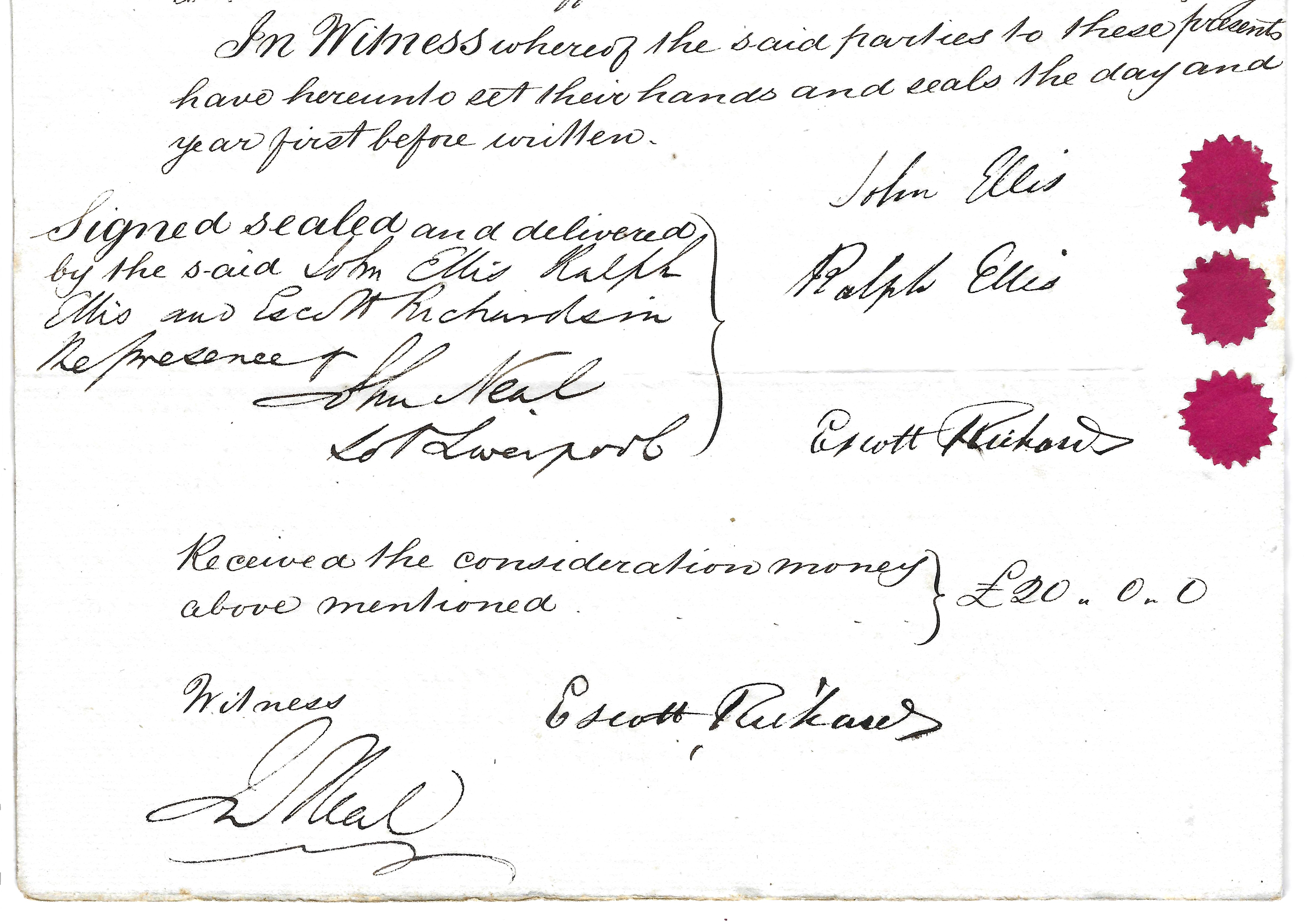
Eleven days later, Ralph Ellis was dead, taken by cholera in the epidemic of that year. The timing is stark. Having secured his son’s future, he did not live to see it begin. The apprenticeship fee of £20, would have seemed a small price for ensuring John did not start from nothing. Ralph’s legacy was not only what he built, but what he secured for those who followed.