What brought Escott Richards from rural South West England to Liverpool?
Until the mid-1820s, he lived in a small village, Georgeham, Devon, married with a family, working as a master mariner. He likely captained coastal vessels trading across the Irish Sea—a demanding life of short voyages and constant movement.
But Liverpool offered something more.
By 1827, aged 39, he had relocated there, listed as a master mariner in Mill Street. Soon after, he made a decisive shift. By 1831, he was a pawnbroker in Wolfe Street. Within a year, he had expanded to multiple premises and was letting property.
Escott showed both ambition and a keen eye for opportunity. Liverpool’s rapid growth created demand not just for goods, but for credit.
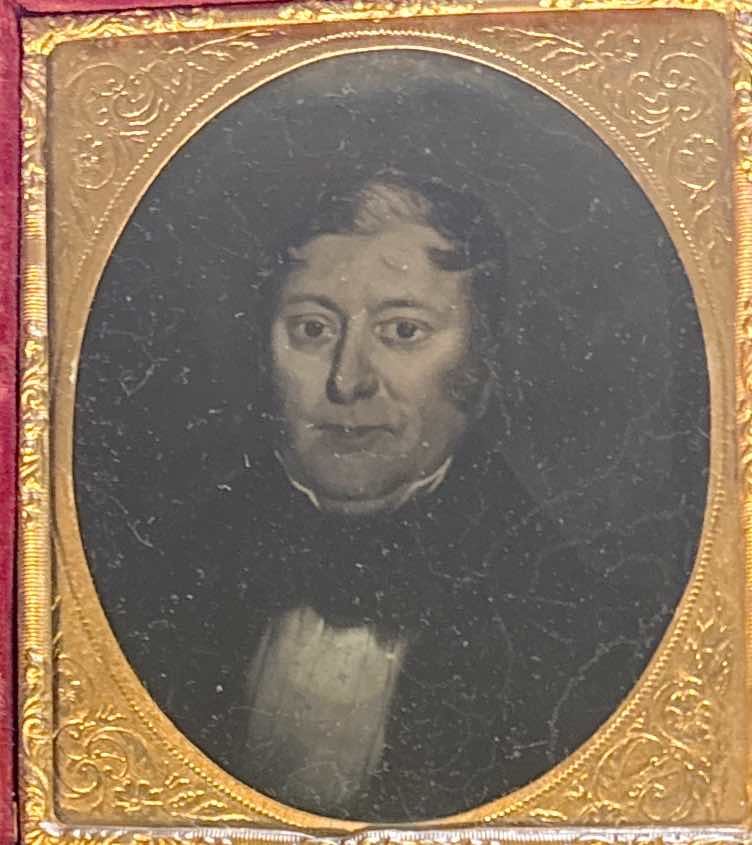
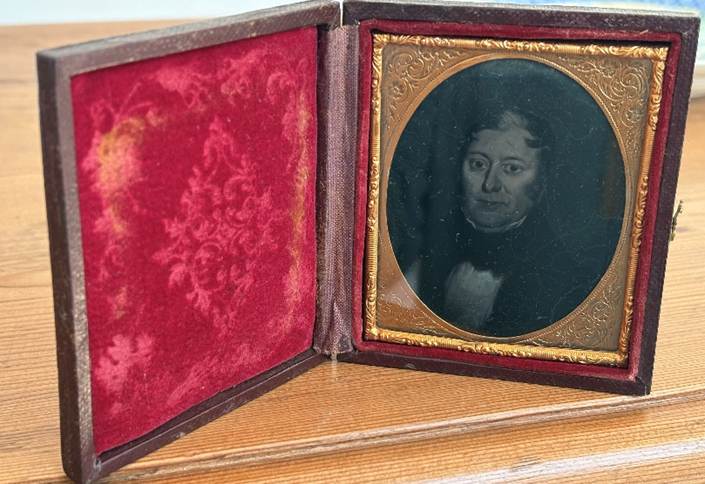
By 1835, Richards was registered to vote—a privilege tied to property and wealth. He commissioned early photographic portraits of himself and his family using daguerreotypes, an expensive and modern status symbol.
In less than a decade, he had transformed himself from seafarer to prosperous businessman. More importantly, he laid the foundations of a family enterprise that would endure for generations.