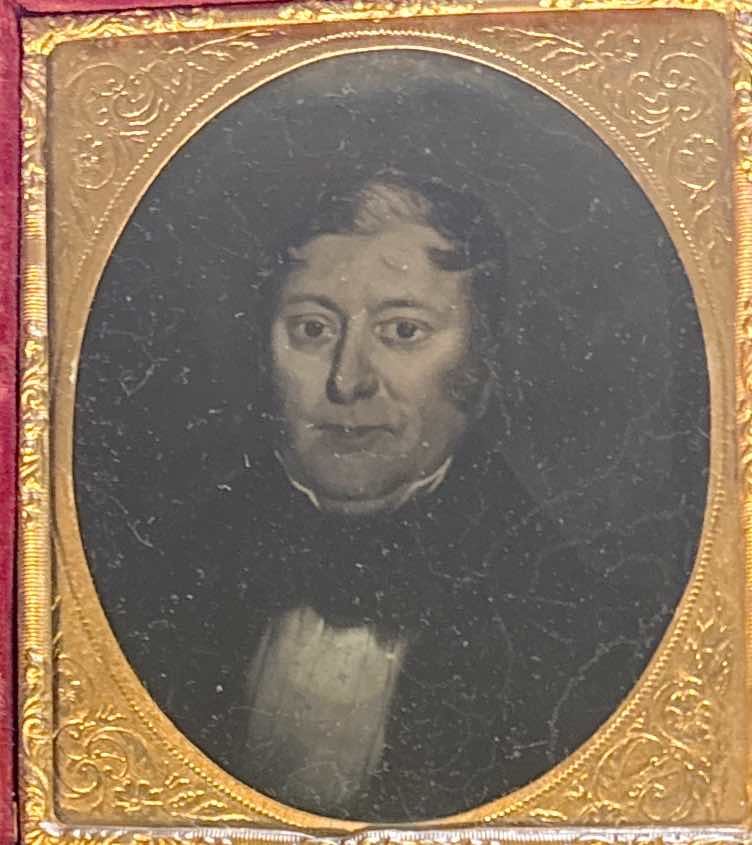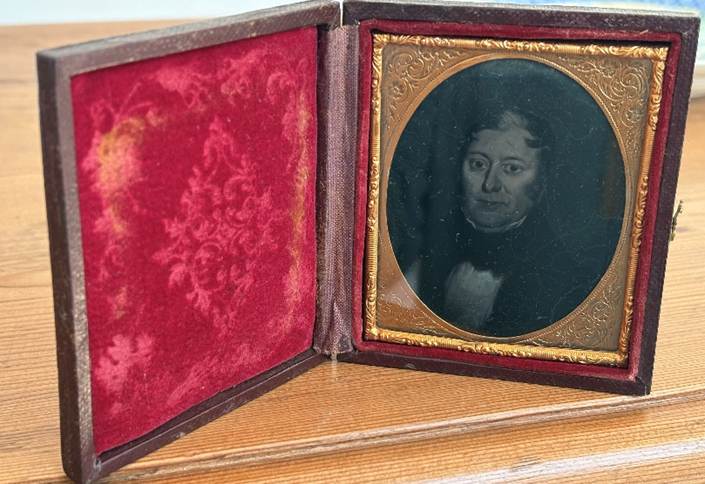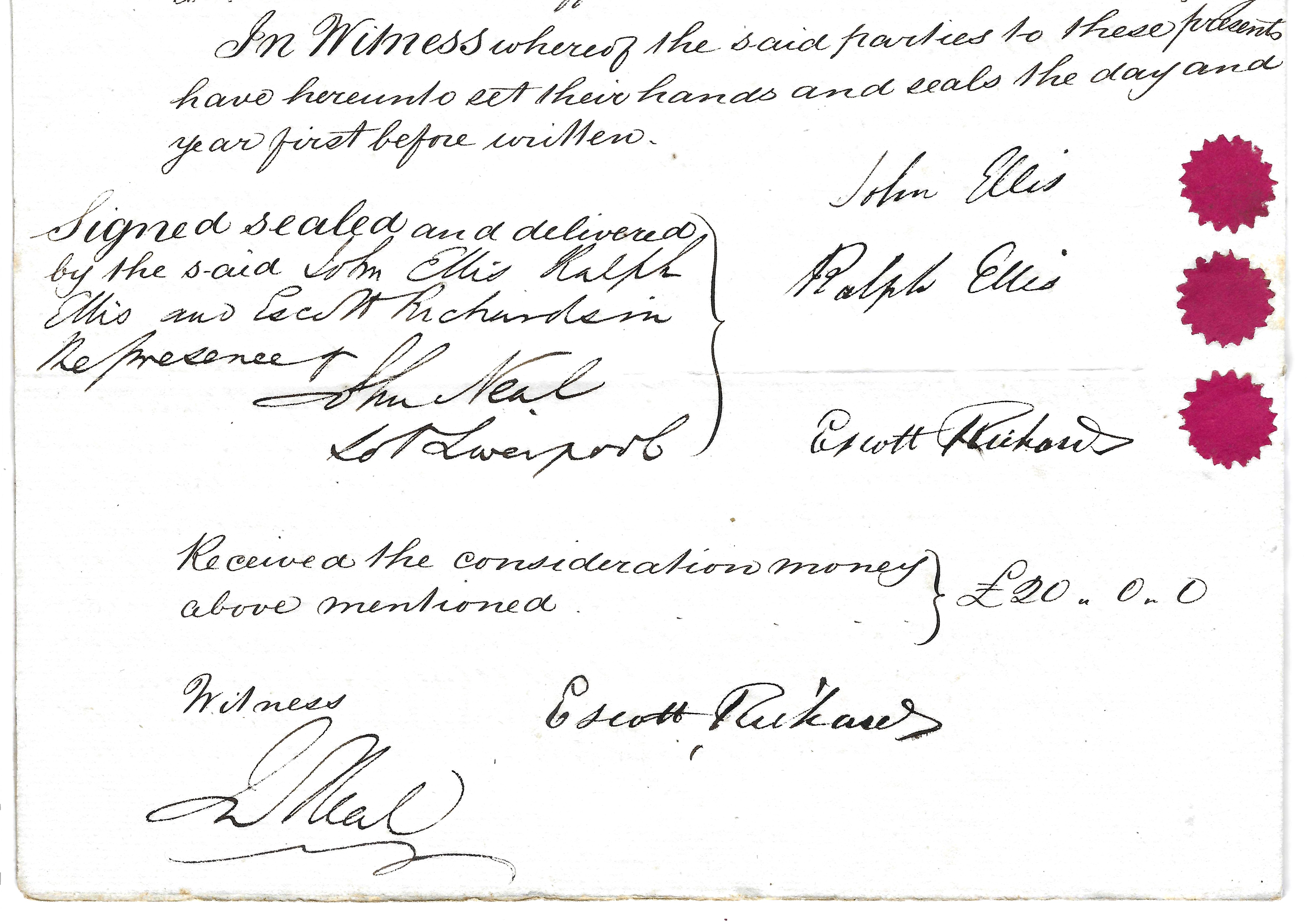
Apprenticeship in Victorian England was not gentle. It was a binding agreement—six years of labour, discipline, and control.
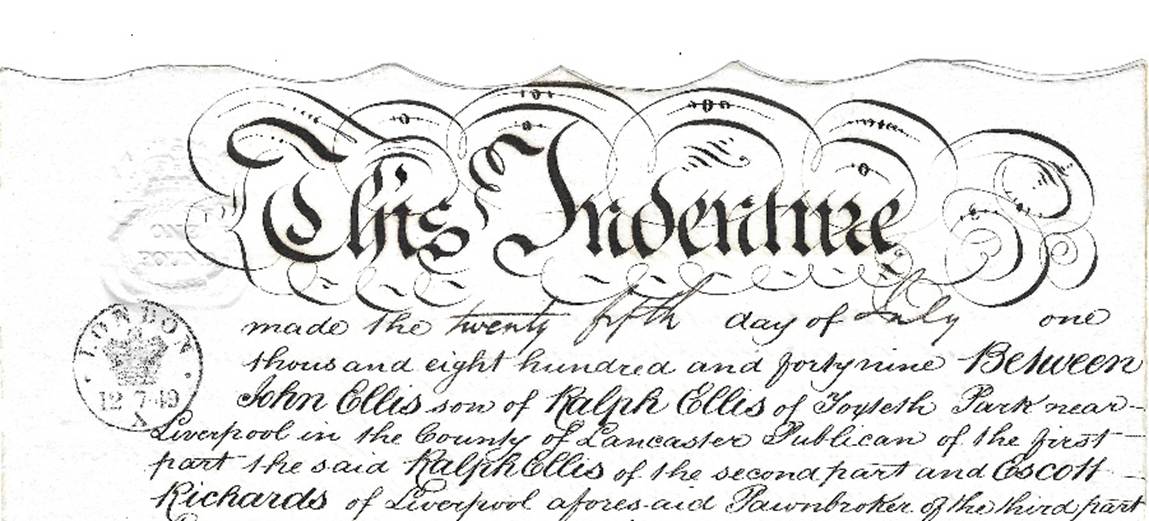
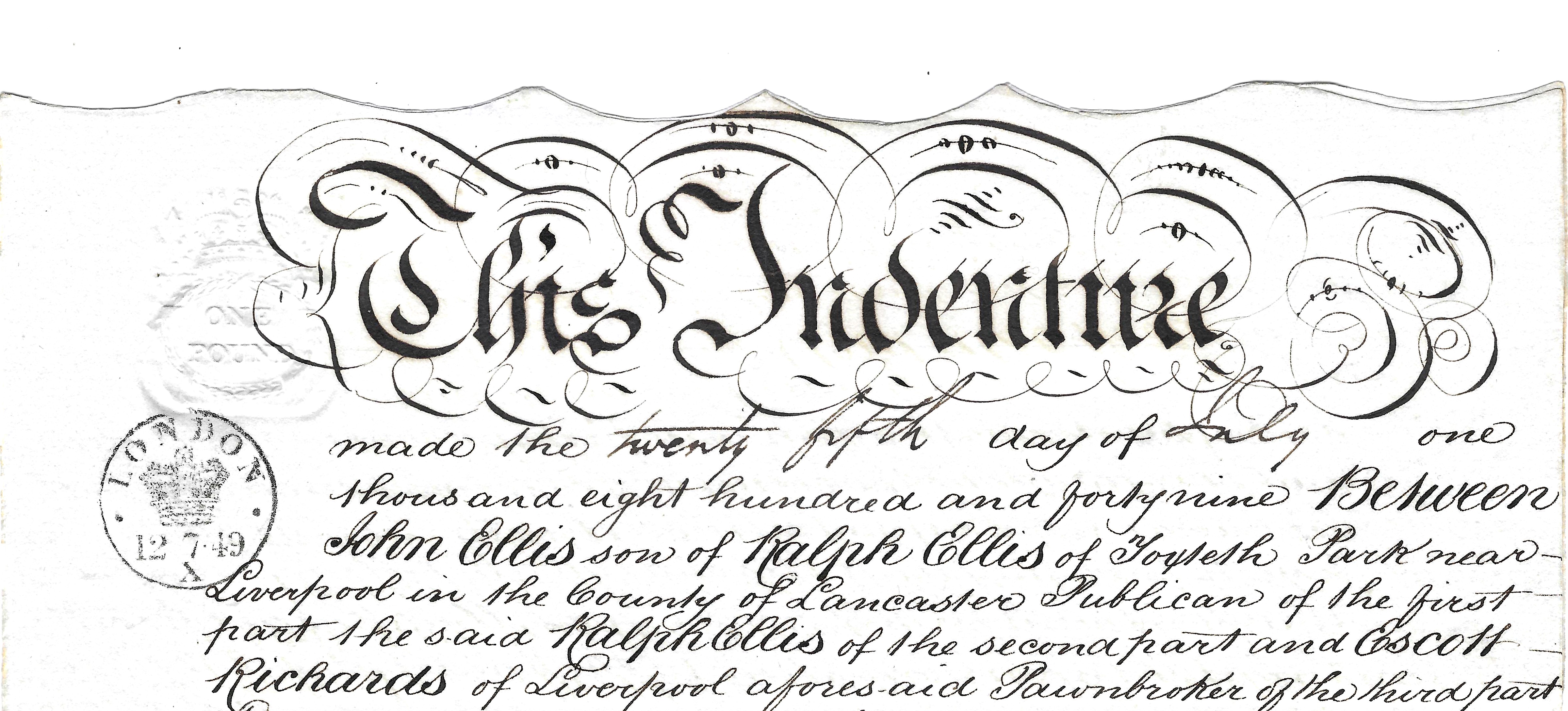
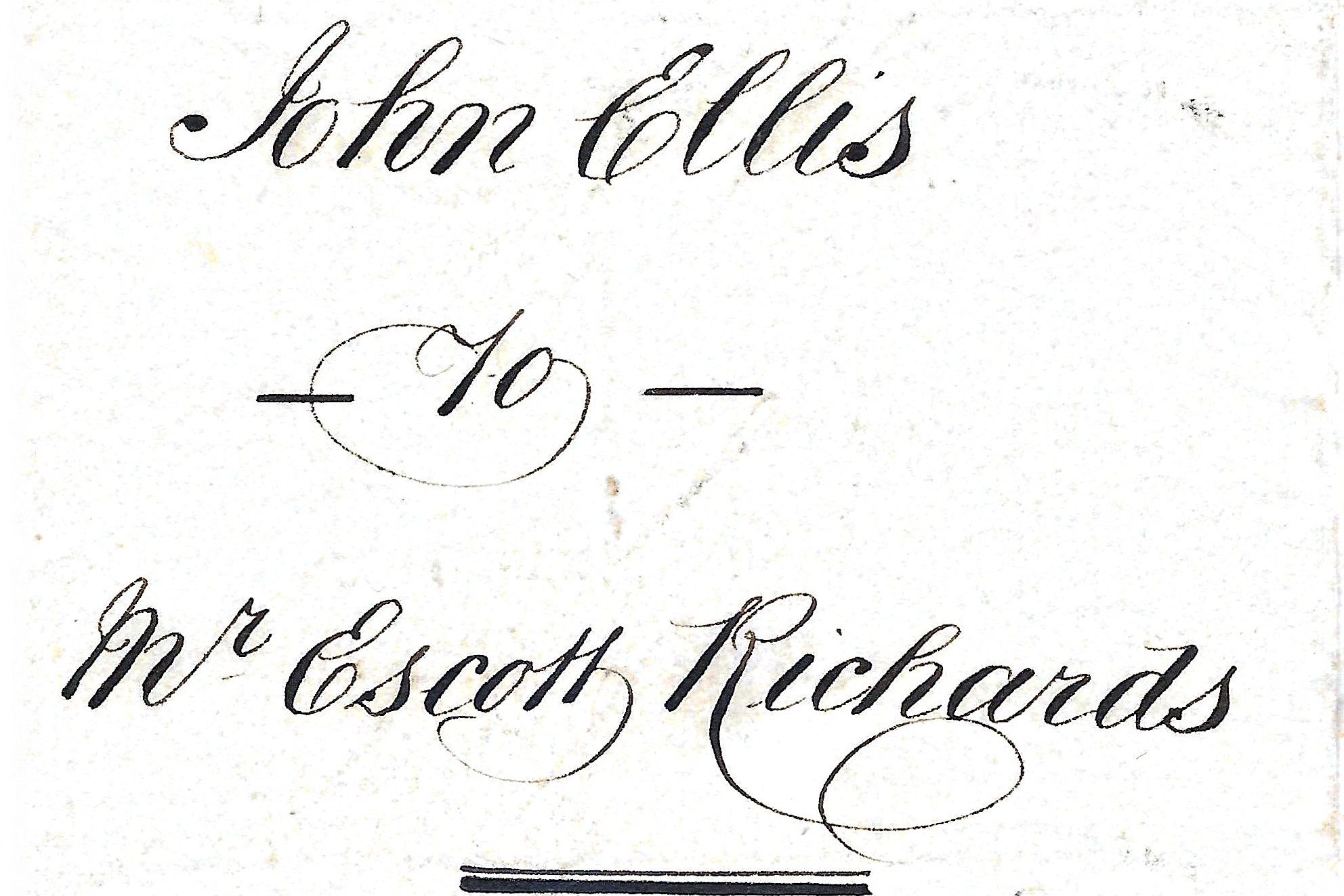
On 25 July 1849, thirteen-year-old John Ellis entered such an arrangement. The indenture formally bound him to Escott Richards.
The document itself reflected its seriousness. Two identical copies were written on one sheet and divided with a jagged cut; only matching halves proved authenticity. It was a practical safeguard in an age of paper contracts.
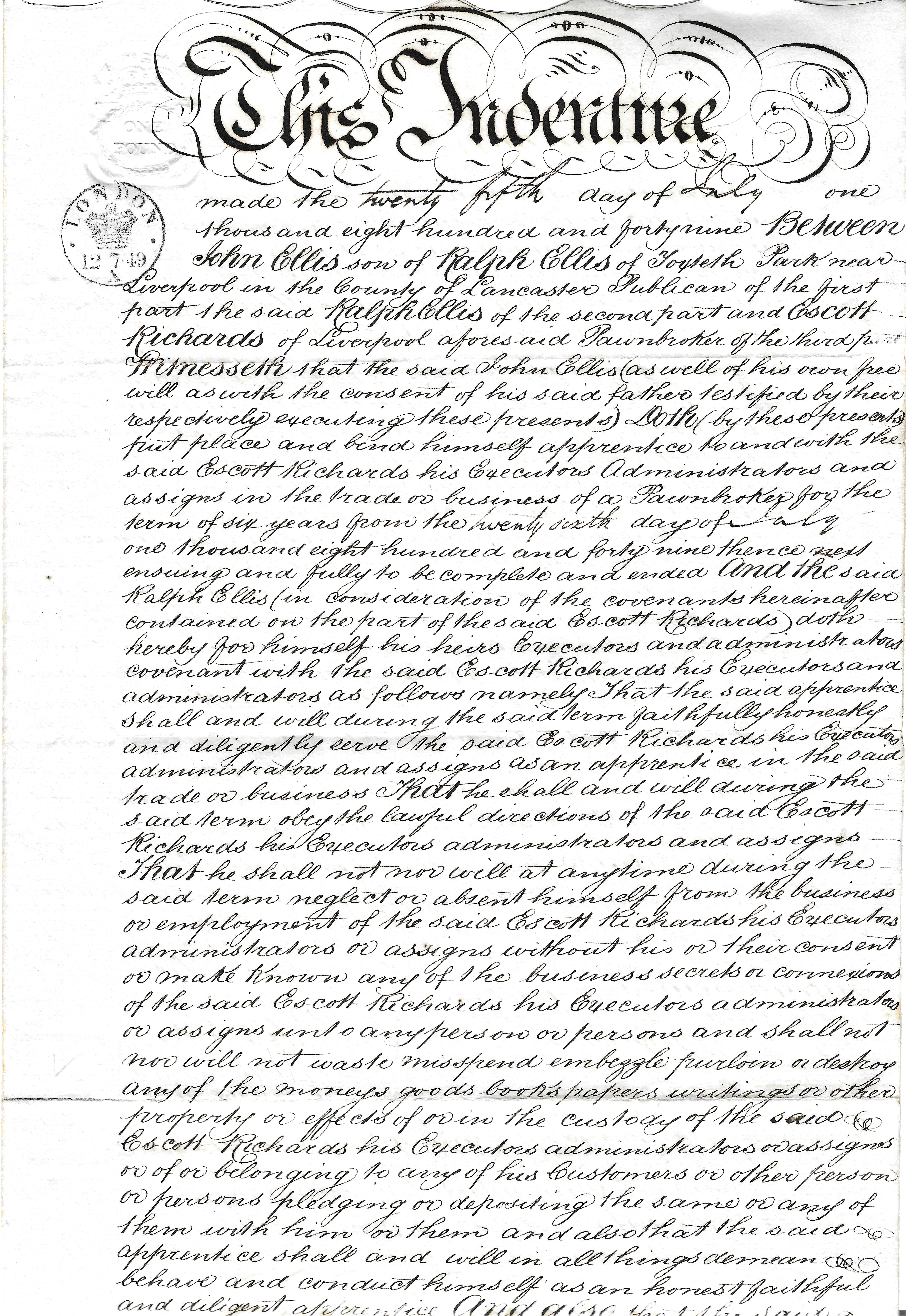
The terms were strict. John was to serve faithfully, obey his master, avoid idleness, and keep business matters confidential. He was not simply learning a trade—he was being shaped from a child into a disciplined, honest, and reliable man.
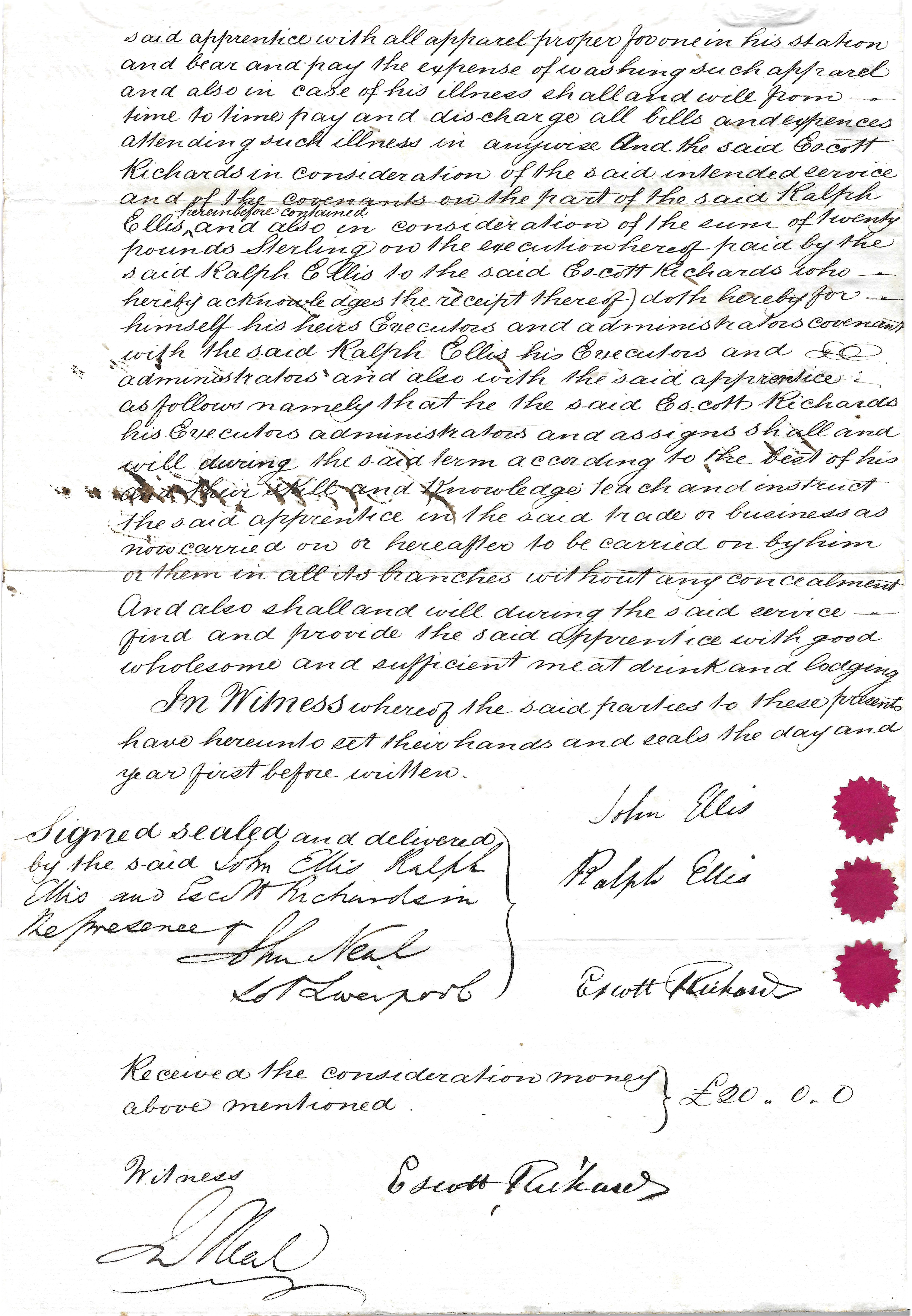
Ralph Ellis his father,remained responsible for clothing and medical care and paid the £20 fee. In return, Richards agreed to teach the trade and provide food, drink, and lodging.
The contract was signed, sealed, delivered and witnessed—a legal and personal commitment.
Within that document lies the essence of Victorian apprenticeship: demanding, structured, and transformative. It forged not only skills, but identity.
It also did something more. By bringing John into the Richards household, it bound two families together—first in business, and then in something deeper.